Is Your Hot Tub Safe for the Whole Family?
Plan access, supervision, temperature, electrical work, and routine checks before children, older adults, or guests use your backyard spa.
Make a family hot tub safer with layers of protection: restrict unsupervised access, keep the cover secured, supervise children within reach, set conservative household rules, and inspect the water and equipment before use. Children under five should not use hot tubs. Use a qualified electrician, follow the selected spa manual, and check local barrier requirements.
What Should You Plan Before the Hot Tub Arrives?
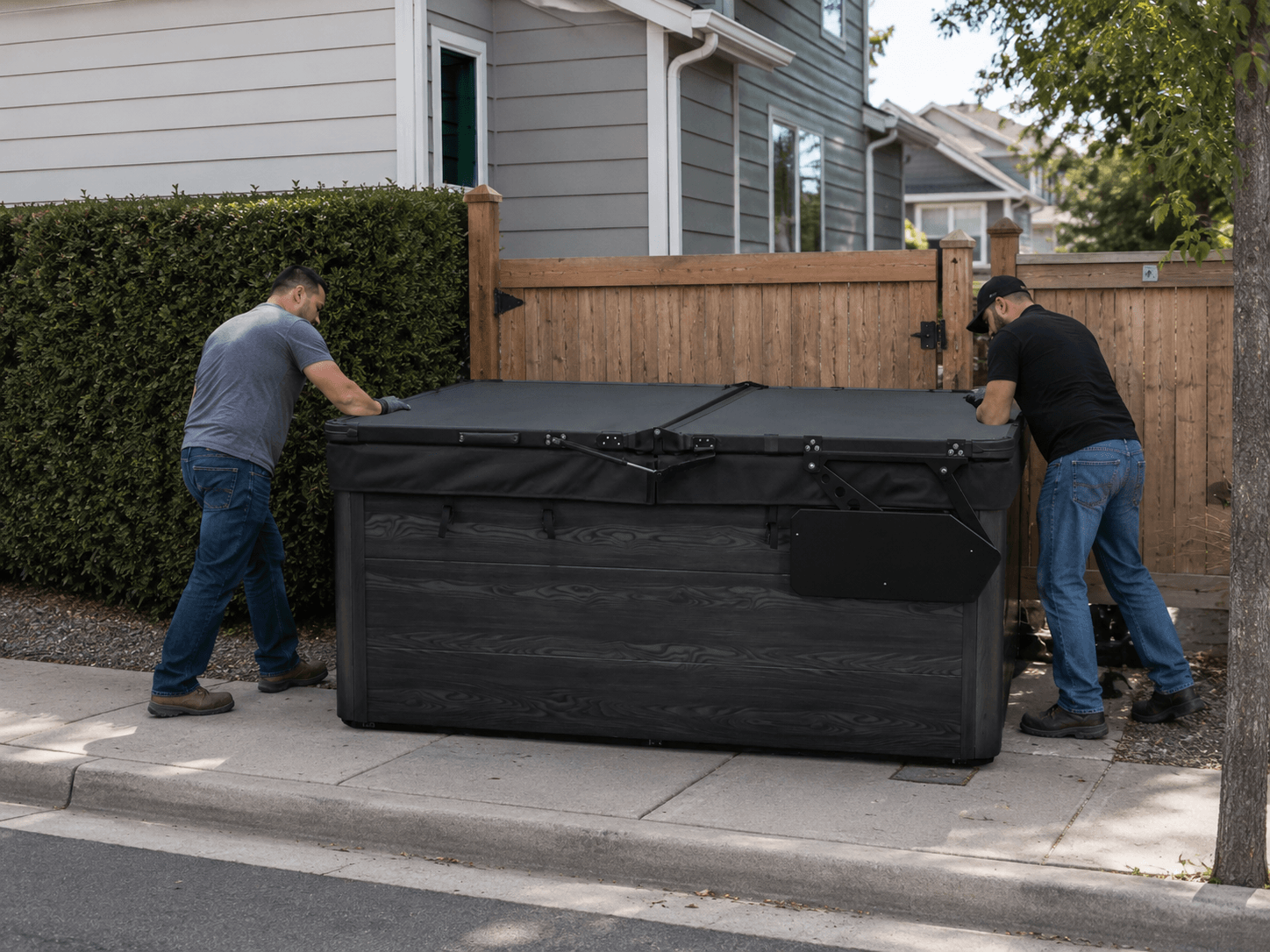
Plan a controlled route, a stable walking surface, clear lighting, and code-compliant electrical service before delivery. Keep climbable furniture away from barriers, decide where the cover will rest, and make sure an adult can reach the disconnect without crossing a wet surface. Ask the dealer which steps, rails, covers, and access features fit the selected model.
What Rules Should Families Set for Children?
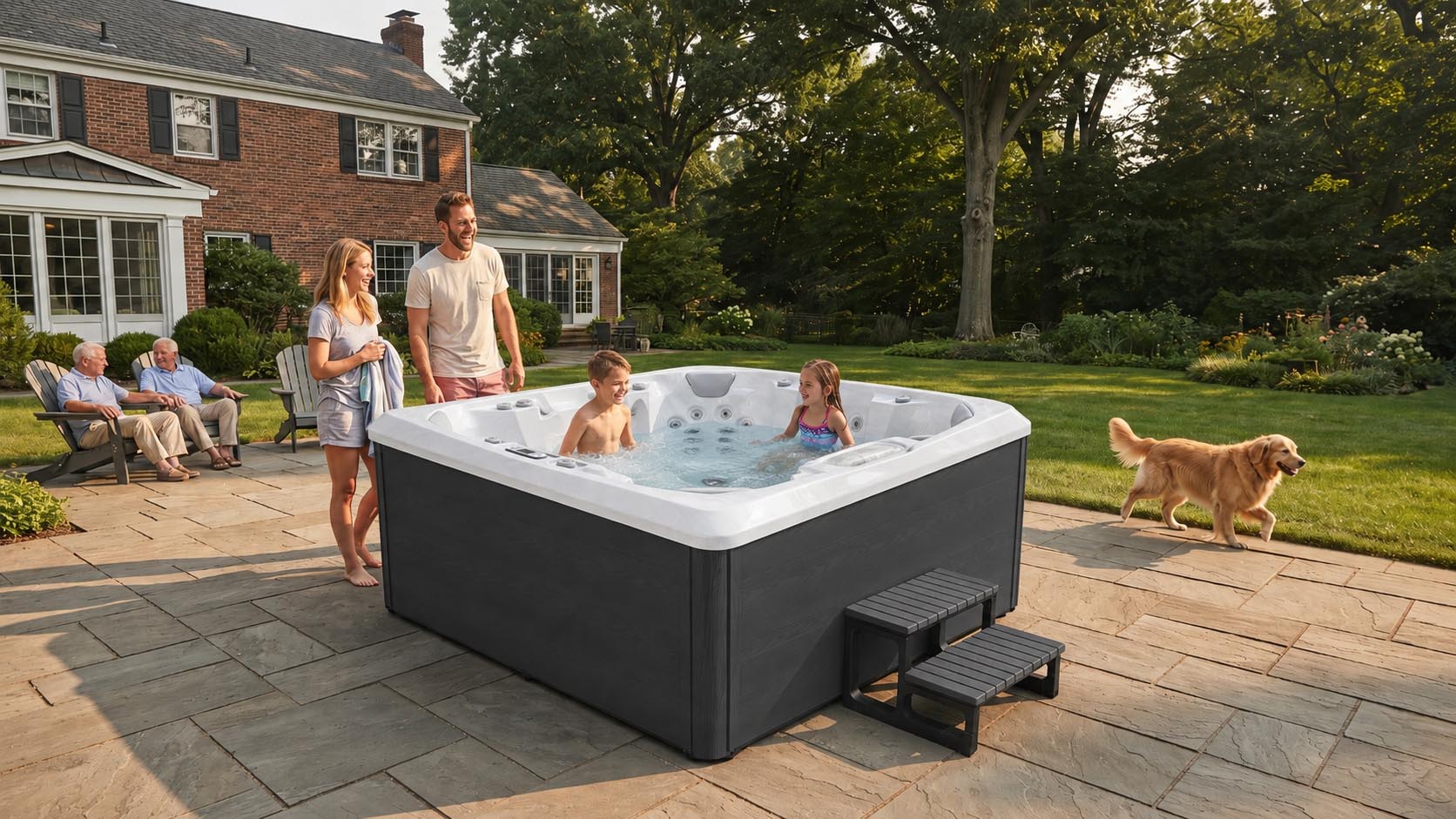
Children under five should not use hot tubs, and every older child near the spa needs active adult supervision. The supervising adult should stay close enough to respond, avoid phones and other distractions, and resecure every access layer after use. Never treat a shallow seat, locked cover, or another child as supervision.
How Should Older Adults and People With Health Conditions Prepare?
Older adults and anyone with a health condition or medicine that affects circulation, alertness, or heat tolerance should ask a healthcare professional for individual guidance. Start with a lower temperature and a short session only when that guidance permits use. Exit at the first sign of dizziness, nausea, weakness, headache, unusual sleepiness, or discomfort. Pregnant users should consult a healthcare provider, and nobody should use a hot tub after drinking alcohol.
How Should You Manage Water Temperature and Time?
Keep the water at or below 104°F (40°C), then choose a lower setting when a user''''''''s age, health, comfort, or medical advice calls for it. A single 15- or 20-minute limit cannot fit every person or condition. Check the displayed temperature, use shorter initial sessions, keep drinking water nearby, and leave before discomfort develops.
Which Entry Features Reduce Everyday Risk?
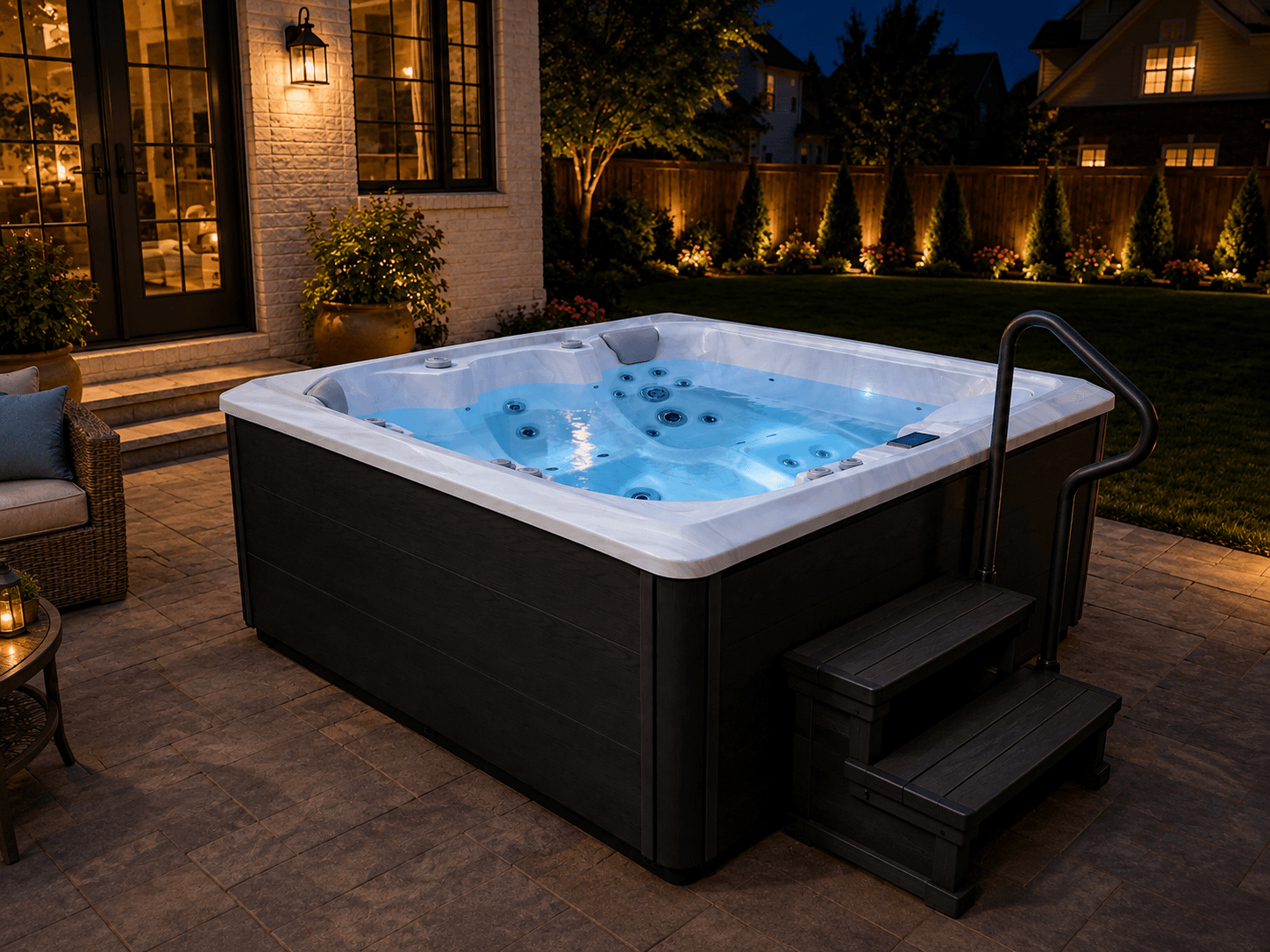
Stable steps, a compatible handrail, a dry landing area, and path lighting can make entry more controlled. Choose accessories made for the selected spa and surface, keep the route free of toys and hoses, and replace loose mats or unstable furniture. Dry-test the route with the intended users before the first filled-water session.
Are a Cover and Barrier Enough to Protect a Child?
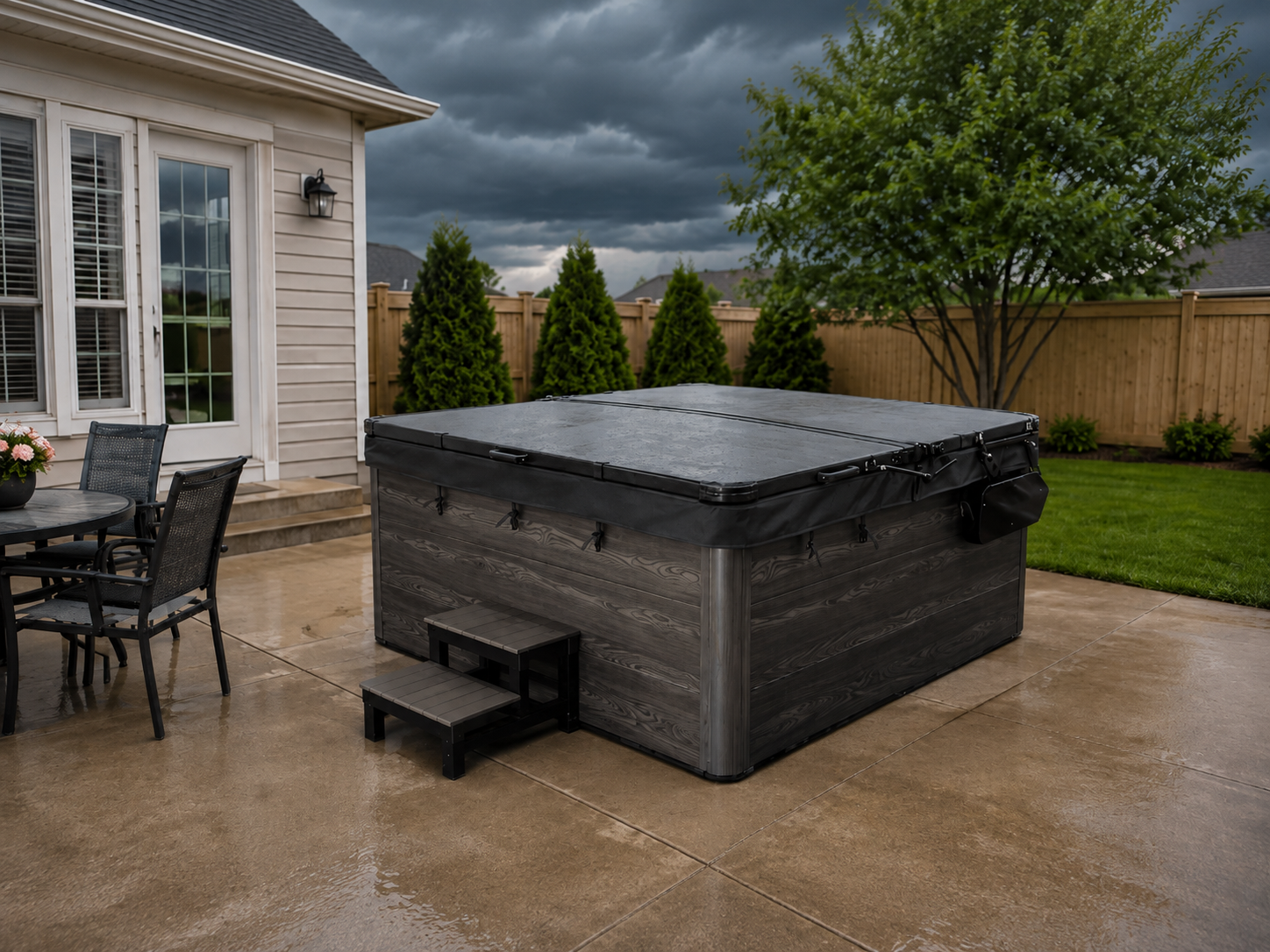
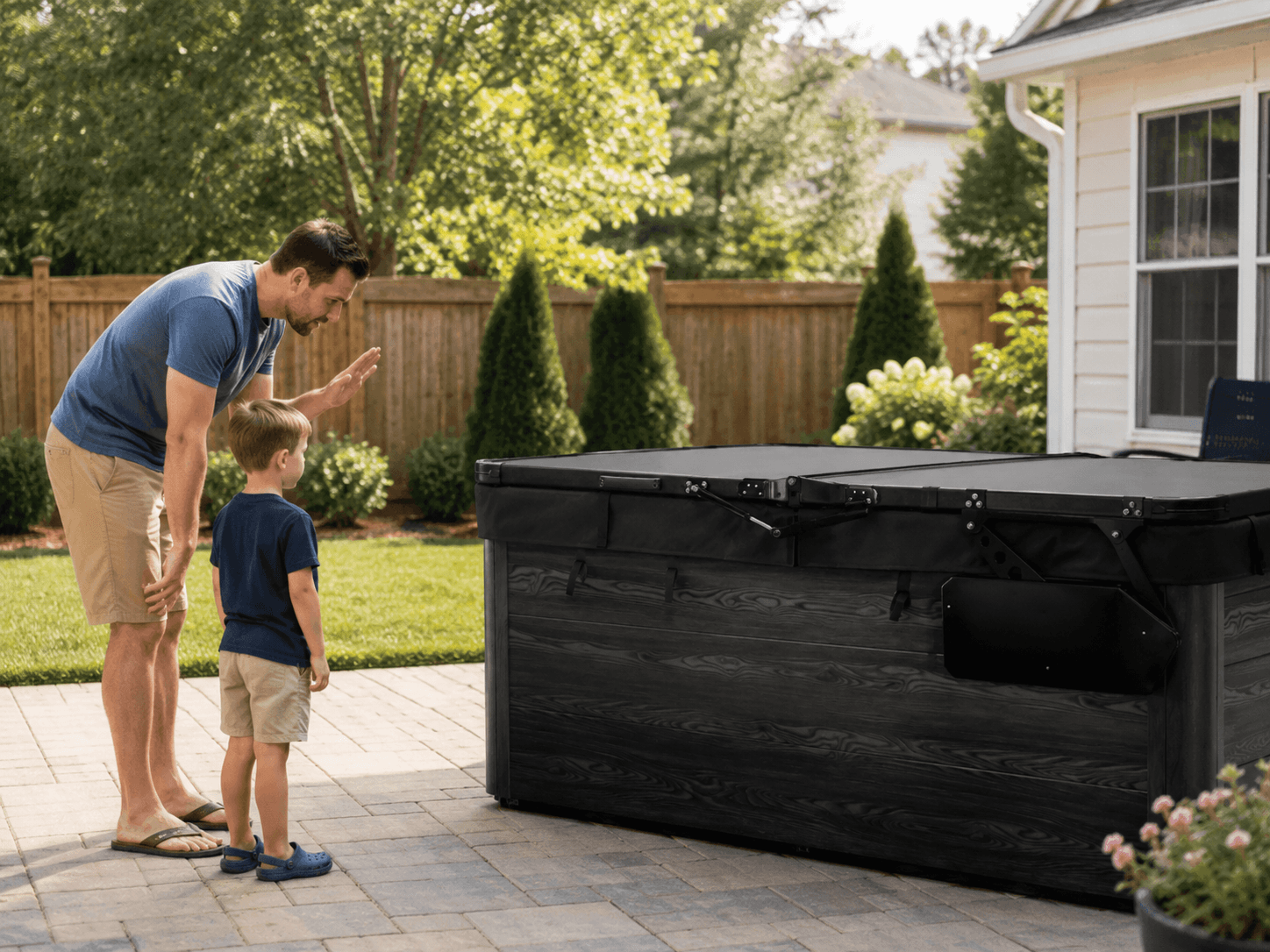
A secured cover and compliant barrier add protection, but neither makes a hot tub childproof. CPSC guidance describes fences, self-closing and self-latching gates, door alarms, and qualifying safety covers as layers that delay access. Local rules vary, so ask the building authority which barrier and cover requirements apply to your property.
A barrier or cover buys response time. It does not replace active adult supervision or local-code compliance.
What Electrical and Suction Checks Matter?
A qualified pool-and-spa electrician should install and inspect the electrical system, including required GFCI protection and the emergency disconnect. Keep extension cords and cord-connected devices away from the spa. Stop use if anyone feels tingling or if lights behave abnormally. Shut off power and call 911 if shock is suspected. Before each use, check that suction covers are present and intact; close the spa and arrange qualified service if one is loose, cracked, or missing.
How Does Water Care Support Family Safety?
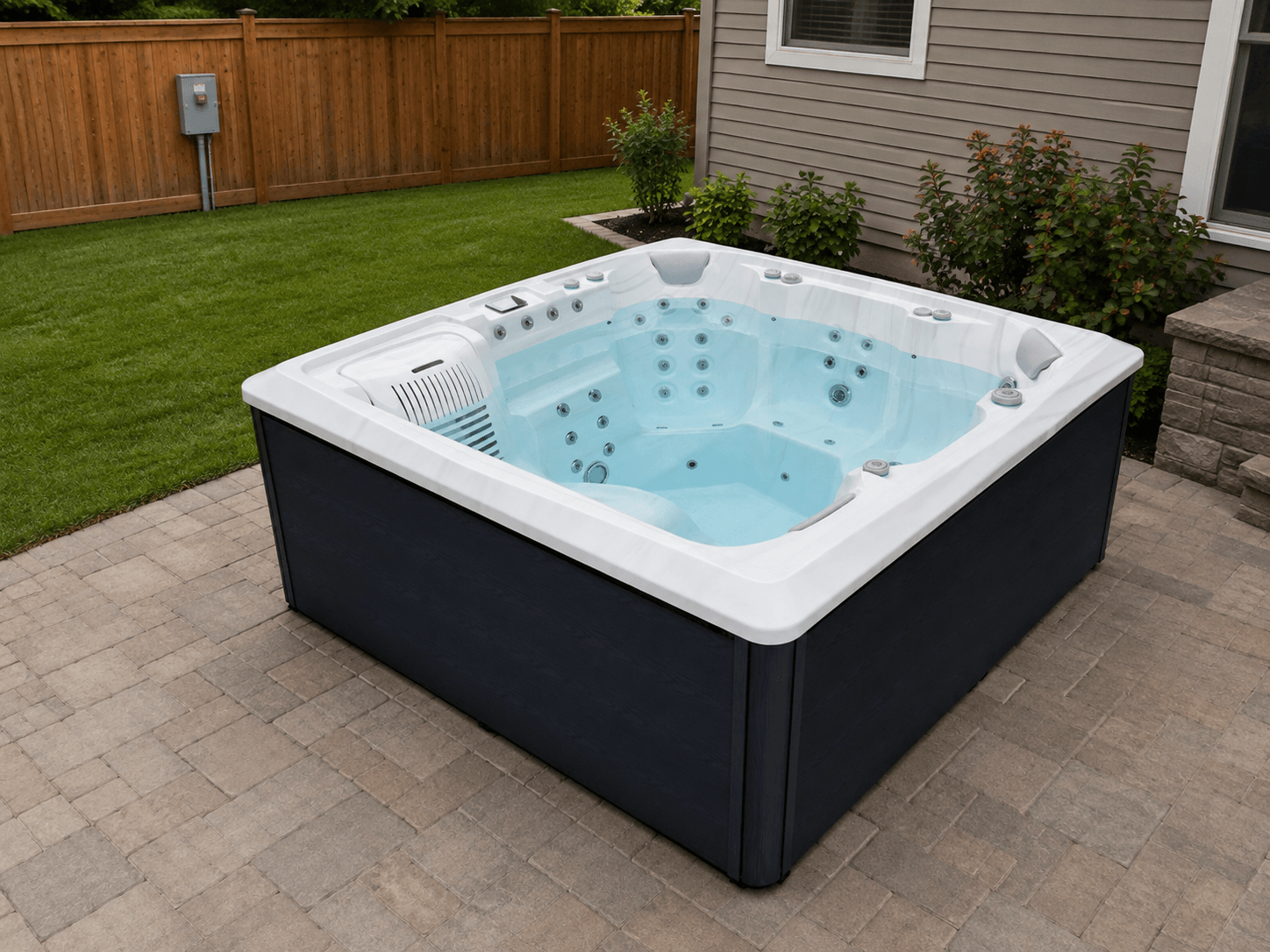
Test and correct the water before use, following the spa manual and local health guidance. CDC advises hot tub users to stay out when sick with diarrhea, shower before entering, avoid swallowing the water, and check disinfectant and pH. Cloudiness, strong chemical odor, slippery surfaces, or an out-of-range test means the family should wait and correct the cause.
What Should You Check Before Every Family Soak?
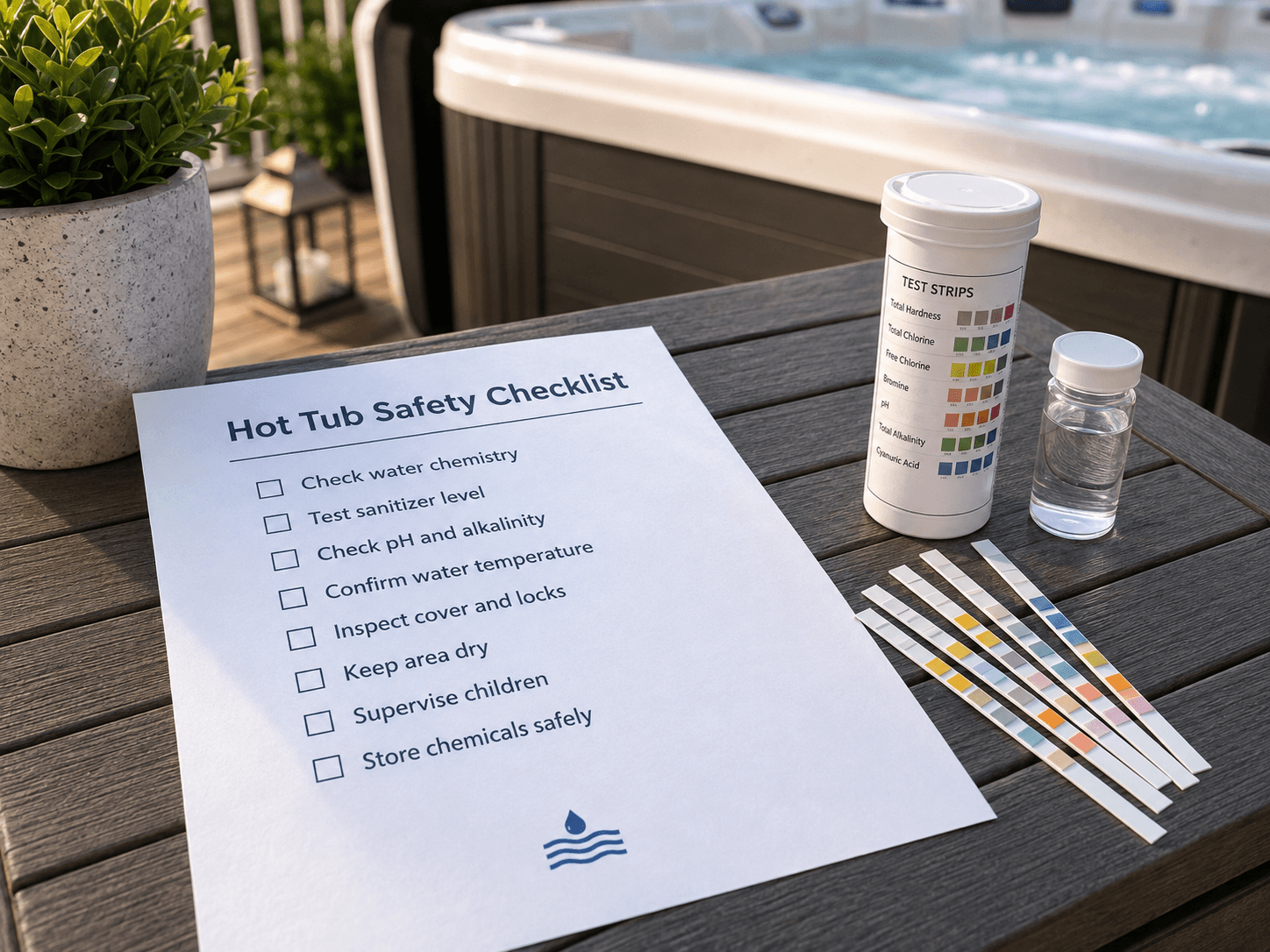
Confirm adult supervision, permitted users, temperature, clear water, acceptable test results, intact suction covers, a dry entry route, stable steps, and a clear exit. Keep the cover key or access control with an adult. Confirm that household members know how to leave the water, where power shuts off, and who will call 911.
What Common Safety Plans Fail?
Safety plans fail when adults rely on one device, assume quiet water means no danger, or let familiar routines replace a pre-use check. A cover left unlocked, a propped-open gate, an unstable step, delayed water testing, or an ignored tingling sensation can defeat the rest of the setup. Assign one adult to supervise and one person to close and secure the spa after use.
What Do Families Ask About Hot Tub Safety?
How Do You Turn These Rules Into a Safer Routine?
Write the household rules down, place the emergency steps where adults can see them, and run the checklist before every soak. Compare current Bellagio models with your intended users, access route, local requirements, and preferred compatible accessories before ordering.
Compare current Bellagio models and ask a dealer to confirm the exact cover, access accessories, electrical documents, and configuration for your household.
Compare Bellagio Models