How Can You Start Cold Plunge Therapy Safely?
Use this safety-first guide to assess cold-water risks, plan a controlled first attempt, and separate narrow recovery evidence from broad wellness claims.
Cold-water immersion triggers an immediate stress response, so start with a controlled setting instead of chasing a fixed temperature or time. Ask a clinician first if you have a cardiac history or another relevant condition. Keep your head above water, arrange supervision and an easy exit, and stop for chest pain, faintness, confusion, loss of coordination, or breathing trouble.
What Happens When You Enter Cold Water?
Sudden immersion can trigger cold shock, including an involuntary gasp, rapid breathing, and abrupt changes in heart rate and blood pressure.
The National Weather Service warns that cold shock can impair breathing control and coordination. Keeping your airway clear and your exit close reduces exposure to the most immediate hazards, but it does not make cold immersion safe for every person.
Who Should Speak With a Clinician First?
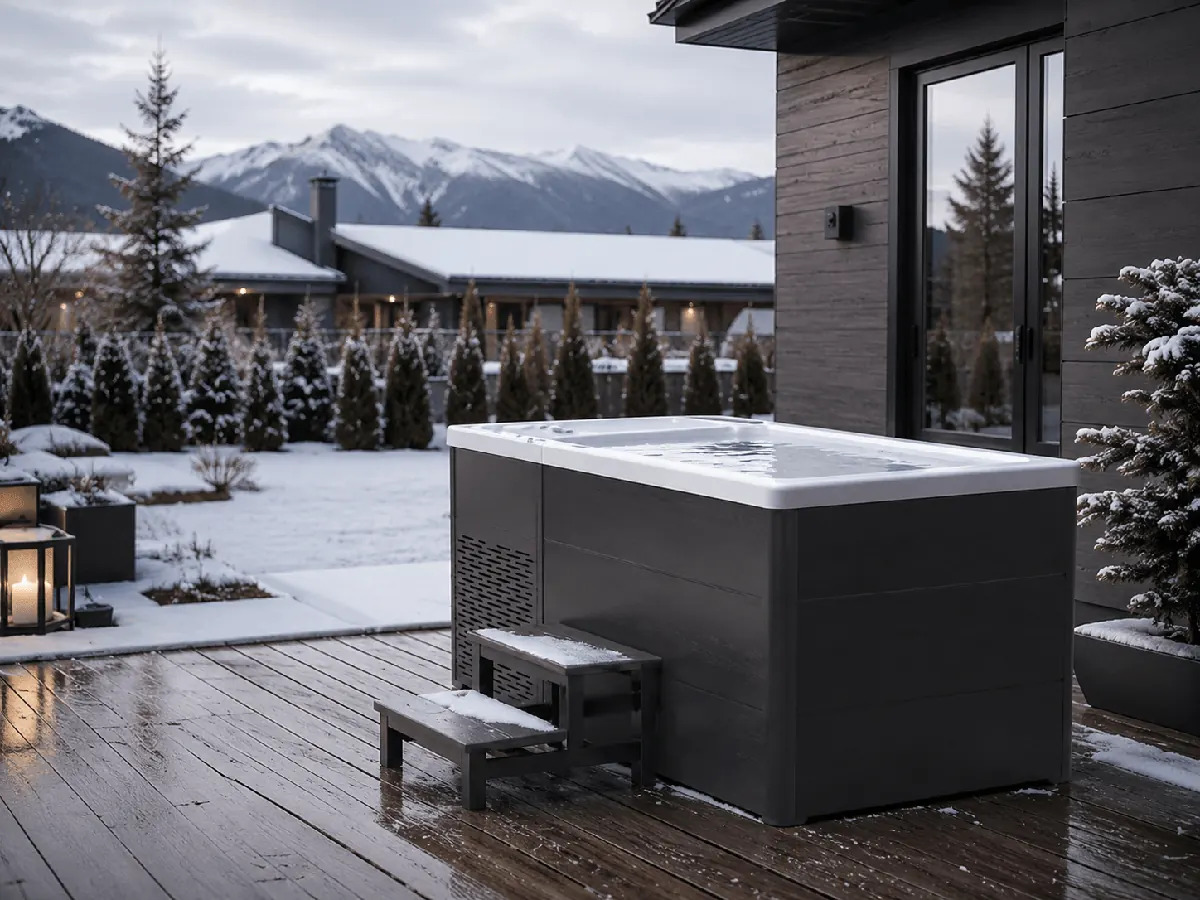
Anyone with a cardiac history or another condition that could change the response to cold should speak with a clinician before trying cold-water immersion.
The American Heart Association notes that broad health benefits remain uncertain and that research often excludes people with heart conditions. Ask about your medical history, medicines, pregnancy, circulation concerns, and any condition that affects breathing, balance, judgment, or temperature regulation.
How Can You Prepare for a Controlled First Attempt?
Prepare the exit, supervision, and warm clothing before you approach the water.
Choose a stable entry, clear the route, and avoid any exit that requires climbing or balancing.
Keep another responsible adult within reach, especially while you learn how your body responds.
Place a towel, dry clothes, and warm layers where you can reach them without delay.
Avoid alcohol and skip the attempt when illness, fatigue, medicine, or the setting could impair judgment or coordination. No source used for this article establishes one universal consumer temperature or duration.
How Should You Enter and Exit?
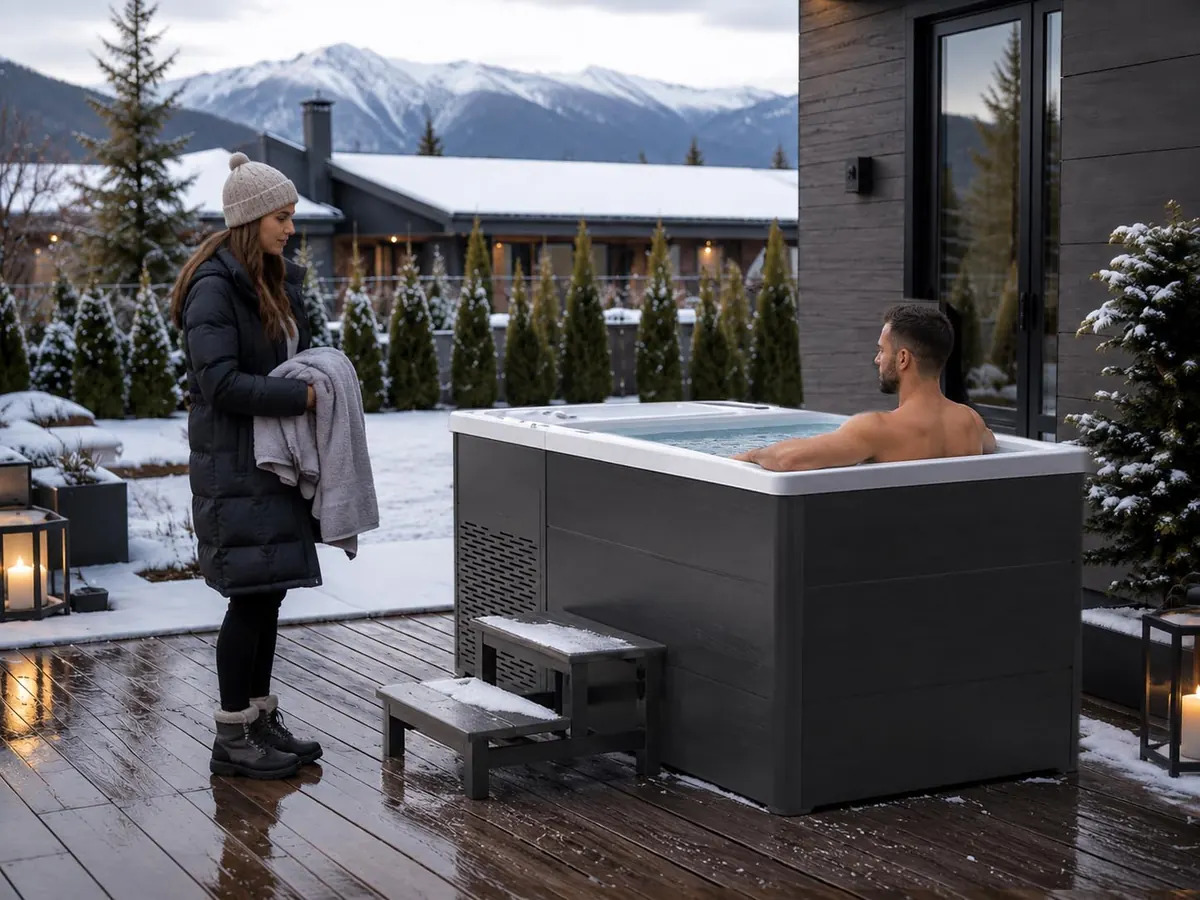
Enter in a controlled way with your head above water, then leave before breathing, coordination, or clear thinking changes.
Pause if the first breath feels involuntary. On exit, stand with support, dry off, add warm layers, and stay with another adult if you feel unsteady. Do not treat discomfort or a timer as a reason to remain in the water.
When Should You Stop and Get Help?
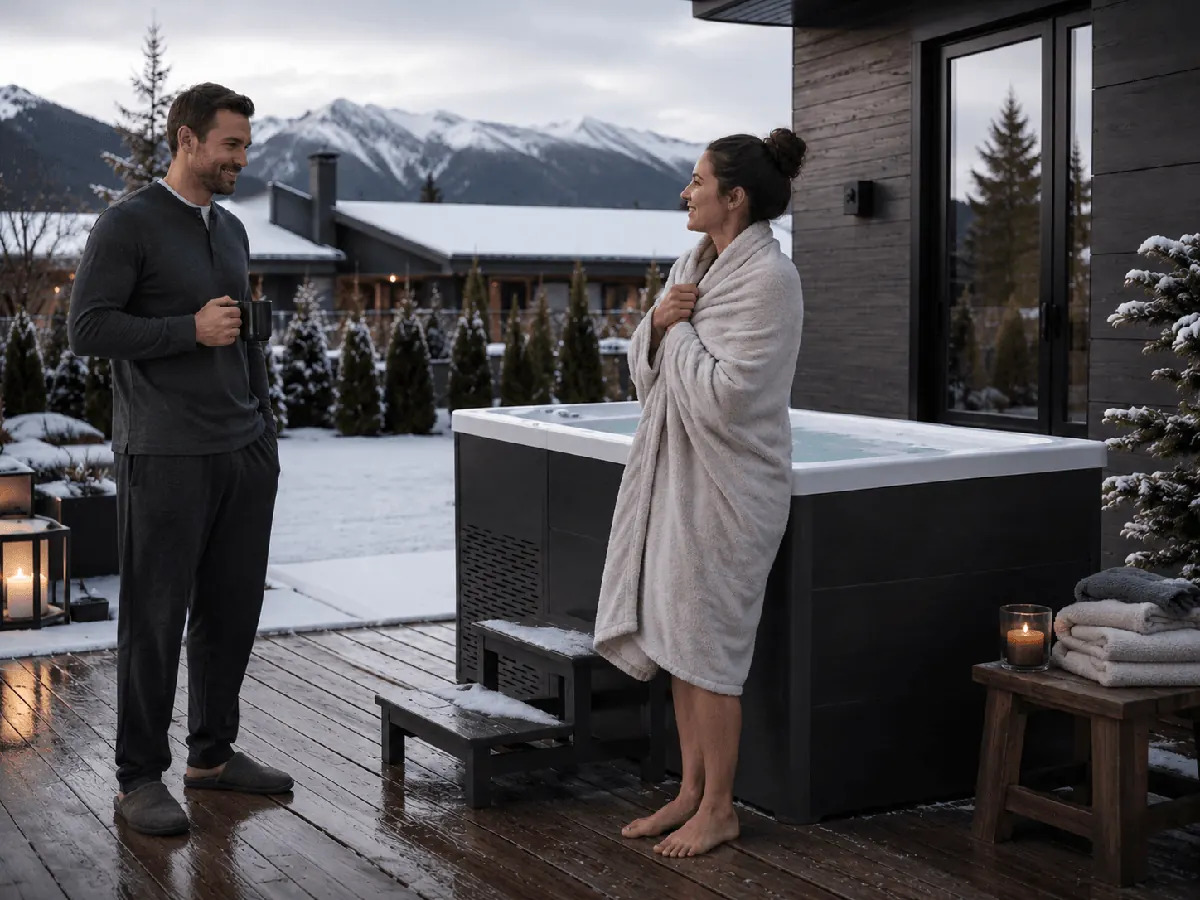
Leave the water immediately for chest pain, faintness, severe shortness of breath, confusion, loss of coordination, or breathing you cannot control.
Call emergency services for severe or persistent symptoms. After leaving, dry off and add warm layers. Seek medical help if shivering becomes severe, mental clarity changes, or your condition does not improve.
Can Cold-Water Immersion Help After Exercise?
Cold-water immersion may reduce perceived soreness after strenuous exercise in some physically active participants, but the evidence does not establish a universal recovery plan.
| Question | Evidence-Led Answer | Boundary |
|---|---|---|
| Immediate response | Cold shock can affect breathing and circulation. | This response creates risk rather than proving a health benefit. |
| Exercise recovery | Some reviews report lower perceived soreness. | Participants and outcomes vary across studies. |
| Broad wellness claims | The sources do not support universal promises. | Do not promise fat loss, immunity, mood, or heart benefits. |
Treat cold-water immersion as an optional recovery practice to discuss with a clinician or qualified coach. It does not treat an injury or replace rest, nutrition, diagnosis, or medical care.
What Mistakes Create Avoidable Risk?
Entering alone, submerging the head, forcing yourself to remain after warning signs, and copying another person''''s routine create avoidable risk.
A timer cannot account for your health, the water, or your response that day. Skip the attempt when the setting or your condition could make breathing, judgment, or exit less reliable.
What Do Readers Ask About Cold Plunges?
What Is a Sensible Next Step?
Your next step is to resolve any health concern, then inspect the setup for stable access, supervision, an unobstructed exit, and a practical rewarming plan.
If you are comparing equipment, review current Bellagio Vinterköld information and confirm configuration, installation requirements, and availability with a dealer before ordering.
Review Vinterköld InformationSources: National Weather Service; American Heart Association; systematic review indexed by PubMed.