What Really Makes a Hot Tub Energy Efficient?
An efficient hot tub starts with a well-matched thermal system, then depends on your climate, settings, cover care, and use.
A hot tub is energy efficient when its shell, cabinet, base, fitted cover, circulation, heating equipment, and controls limit avoidable energy use under defined conditions. Compare the exact model and cover combination, water capacity, standby test information, climate assumptions, and included equipment. A monthly dollar estimate means little unless both dealers use the same electricity rate, temperature, weather, and usage assumptions.
What Does Energy Efficiency Mean for a Hot Tub?
Hot tub energy efficiency describes how much energy a specific spa-and-cover configuration uses to maintain its assigned conditions and support your use. It is not a single feature, and a standby result is not the same as your future utility bill.
A useful comparison keeps the important inputs aligned: exact model, water capacity, cover, ambient temperature, water temperature, control mode, circulation schedule, and test method. Your household adds another layer through soak frequency, cover-off time, set temperature, weather, and local electricity price.
California''s portable electric spa program illustrates why those details matter. Covered models use prescribed standby testing and labeling, and the California Energy Commission treats the tested spa-cover combination as part of the certified configuration. Buyers outside California can still use the same comparison principle without treating the California rule as a nationwide requirement.
Why Can Monthly Hot Tub Cost Claims Mislead Buyers?
A monthly cost claim cannot support a fair comparison until you know the electricity rate, climate, water temperature, usage, cover, and equipment behind it. Two correct calculations can produce different dollar amounts because they use different assumptions.
Ask for energy in kilowatt-hours before asking for dollars. You can multiply a comparable kWh figure by your own utility rate. Then check whether the figure represents standardized standby use, a modeled estimate, or an owner''s monitored use. Those are different forms of evidence.
Treat a low number with missing conditions as an opening question, not a conclusion. Request the test procedure, ambient and water temperatures, exact model, exact cover, control settings, and included accessories. If a dealer cannot provide them, compare the physical configuration and written warranty instead of presenting the estimate as measured fact.
Do not compare Dealer A''s laboratory standby figure with Dealer B''s broad monthly estimate. Put both offers on the same unit, conditions, and configuration before deciding which one has stronger evidence.
Which Hot Tub Features Should You Compare for Efficiency?
Compare the whole heat-retention and operating system because each component addresses a different source of energy use. The table turns feature names into questions a dealer can answer in writing.
Energy-Efficiency Feature Comparison
| Comparison Area | What to Inspect | Why It Matters | What to Request in Writing |
|---|---|---|---|
| Cabinet and insulation | Coverage, layers, access panels, and exact construction | The cabinet separates warm equipment and plumbing from outdoor conditions. | The insulation package included on the quoted model. |
| Fitted cover | Fit, seal, structure, condition, and replacement terms | The cover limits heat and moisture loss while the spa is closed. | The included cover model or specification and warranty. |
| Base | Bottom construction and separation from the installation surface | The base forms part of the boundary between the spa and its foundation. | A description of the production base, not a showroom sample alone. |
| Circulation and filtration | Dedicated circulation equipment or scheduled main-pump operation | The control strategy determines when pumps operate in standby. | Pump configuration, default filtration schedule, and adjustable modes. |
| Heating option | Standard heater, compatible heat-pump option, and operating limits | Climate, recovery needs, and equipment compatibility affect the right choice. | Standard versus optional status, operating range, and installed price. |
| Controls | Economy modes, schedules, lockouts, and remote features | Controls help you apply settings that match your routine. | Functions enabled on the exact controller and any required subscription or module. |
The table does not rank one material or technology in isolation. A good cover cannot correct a poor fit, and an efficient heating option cannot prevent heat loss from an open spa. Review how the pieces work together and how you will maintain them.
How Does Bellagio Approach Hot Tub Heat Retention?
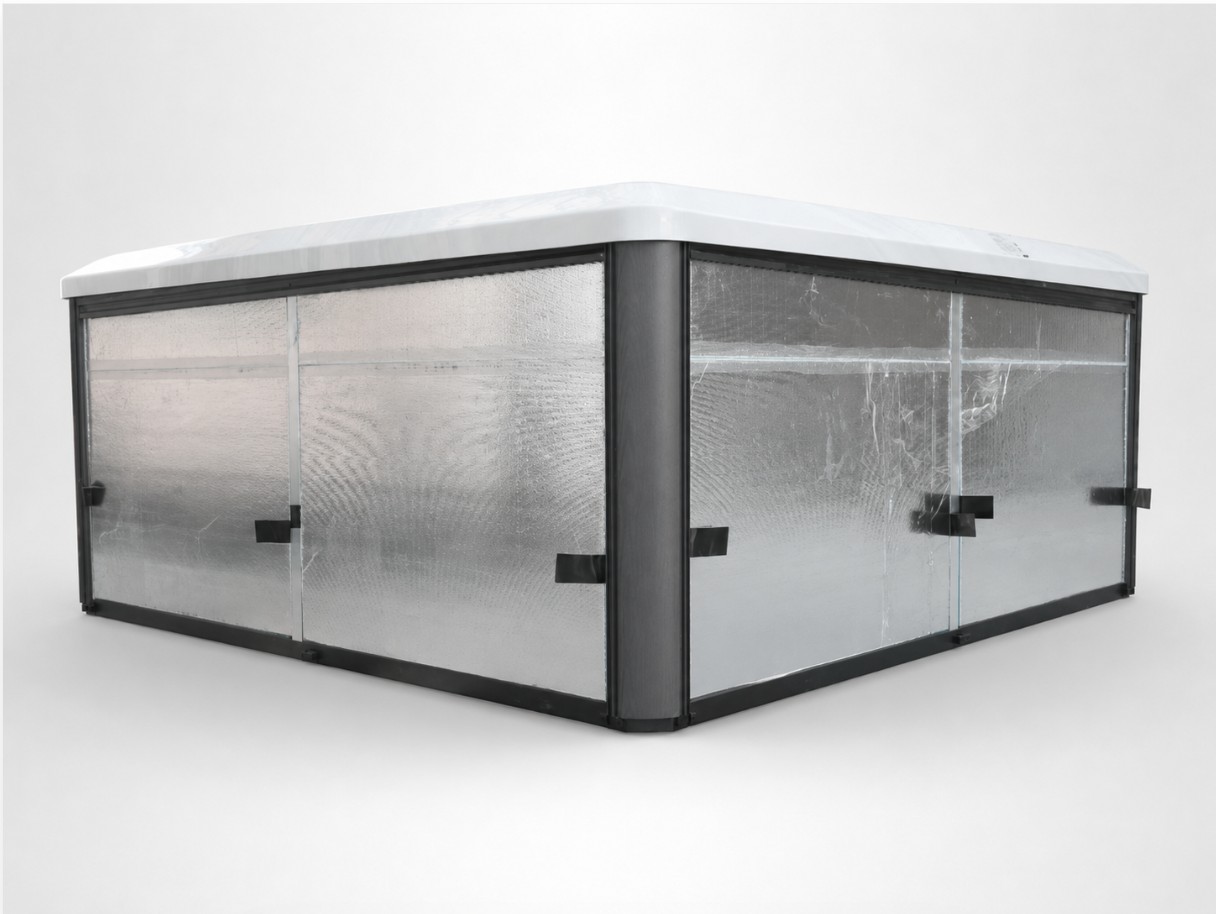
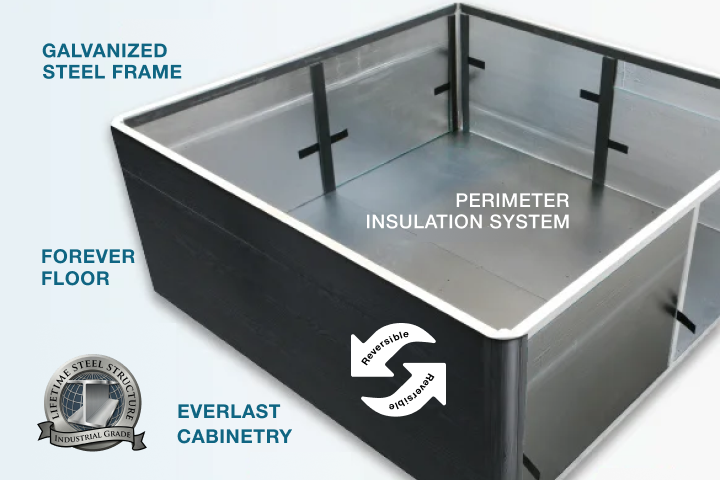
Bellagio presents Thermo-Retain as an integrated approach that includes its AluGuard Frame, ThermoLock tri-layer aluminum panel, and Enviro-Seal Base. Its official Innovation page also presents Heat Bank Insulation as an option intended for colder regions.
Those names help you ask better questions, but they do not replace the quote. Confirm which Thermo-Retain elements come with the exact spa, whether a cold-climate package is appropriate for your location, and which cover accompanies the delivered unit. Ask the dealer to identify any substitution or option in writing.
Bellagio''s Energy for Less page presents a Dual-Function Heat Exchanger using a Balboa Mini Inverter and a Pre-Installation Pump Connection. Treat the heat exchanger as an upgrade unless the current model documentation says otherwise. Discuss outdoor operating conditions, placement, electrical work, service access, and heating and cooling expectations with the dealer.
Avoid converting a brand-level savings statement into your household bill. Request model-specific test information or a written estimate with assumptions, then compare it with the other quote on the same basis.
How Do You Compare Two Hot Tub Dealer Quotes Fairly?
Rewrite both offers into the same field order and leave a cell blank when the dealer has not supplied the information. A visible blank is more useful than an assumption.
Dealer Quote Comparison
| Same Comparison Field | Condition to Confirm |
|---|---|
| Exact model and configuration | Match the production model, options, and market version. |
| Water capacity | Use the documented capacity for the quoted configuration. |
| Insulation package | Separate standard construction from cold-climate options. |
| Cover included | Record the exact cover supplied with the spa. |
| Heater or heat-pump option | Record standard equipment, upgrades, and operating limits. |
| Electrical setup | Compare estimates using the actual installation configuration. |
| Climate and temperature assumptions | Use the same ambient and water temperatures. |
| Energy figure and method | Identify kWh, standby test, modeled estimate, or monitored use. |
| Warranty and local service | Compare written coverage, exclusions, labor, and response route. |
Ask each dealer to return the completed table with supporting documents. If the figures use different conditions, do not average them. Normalize the assumptions or keep the results separate.

How Do You Troubleshoot Rising Hot Tub Energy Use?
Compare a recent period with a similar earlier period, then change one operating variable at a time. A higher bill can reflect weather, rates, use, settings, cover condition, filtration, or equipment behavior.
- Record the utility period, electricity rate, outdoor conditions, spa set temperature, soak frequency, and any recent setting change.
- Inspect the cover for fit, damage, excess weight, and long cover-off periods; confirm that the cabinet and access panels close as intended.
- Review filtration, circulation, economy modes, freeze protection, and heating schedules against the current manual.
- Track the next comparable period or use appropriate submeter data, then request service if the pattern persists or equipment behaves abnormally.
Do not disable freeze protection, filtration, or sanitation functions to chase a lower number. A safe operating requirement takes priority over an energy experiment.
When Should You Ask a Dealer or Technician to Check the Spa?
Request qualified help when the spa cannot maintain temperature, runs in an unfamiliar pattern, reports an error, trips electrical protection, leaks, or shows visible equipment damage. Stop changing settings when you cannot identify what a control does.
Bring the exact model, serial number, manual, recent settings, error messages, service history, and energy log. If the concern began after installation work, a replacement cover, or an equipment upgrade, include those records.
Electrical diagnosis and internal equipment repair belong with qualified personnel. Do not open energized equipment or bypass protective controls to investigate energy use.
What Do Buyers Ask About Hot Tub Energy Efficiency?
What Is the Best Next Step Before Choosing an Efficient Hot Tub?
Ask both dealers to complete the same configuration and energy-comparison fields for the exact models you are considering. Favor written, model-specific information over a broad monthly promise, then judge whether the cover, thermal system, controls, heating option, warranty, and local support fit your climate and routine.
Compare current Bellagio models and ask a local dealer to document the configuration that applies to your installation.
Explore current Bellagio models, then ask a local dealer to confirm the configuration that fits your backyard and routine.
Compare Current Bellagio Hot Tubs