How to Buy a Hot Tub:
Everything First-Time Buyers Need to Know
Thinking about buying a hot tub but not sure where to start? Budget questions, size decisions, installation mysteries — this guide answers all of it in plain English, with no pressure and no jargon.
◆ 10–12 min read ◆ Updated March 2026
Quick Answer
Buying a hot tub comes down to six decisions: budget ($5,000–$12,000 is the sweet spot for most families), size (seat count vs. your actual usage), insulation quality (directly controls your monthly electricity bill), shell material, installation requirements, and warranty coverage. This guide walks you through each one so you can shop with confidence.
In This Guide
1. What Is a Hot Tub, Really?
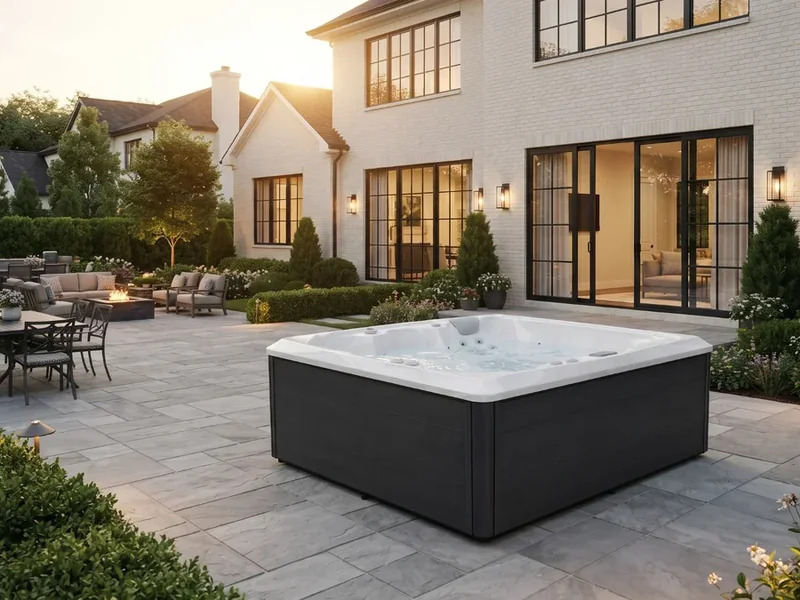
A hot tub — also called a spa — is a large insulated tub filled with heated water, equipped with jets that circulate water to create a massage effect. Unlike a bathtub, it is designed for multiple people simultaneously, stays permanently filled and heated, and is built for year-round outdoor use.
Here is what surprises most first-time buyers: a good hot tub is not just a luxury item. Research consistently links regular use to reduced muscle soreness, improved sleep quality, lower blood pressure, and reduced joint pain — particularly relevant for anyone managing arthritis or chronic stress.
Pro Perspective
After two decades in this industry — designing, building, selling, and personally owning hot tubs — the single biggest mistake first-time buyers make is prioritizing price over total cost of ownership. A $3,500 spa that costs $120/month to run will cost you more over five years than a $9,000 spa that costs $28/month. Insulation quality is everything.
2. Setting Your Budget: What Each Price Range Gets You
Hot tub prices span an enormous range. Understanding what you get at each tier saves you from both overspending and buying something you''''''''''''''''ll regret in 18 months.
| Price Range | Tier | What You Get | Best For |
|---|---|---|---|
| $3,000 – $5,000 | Entry Level | Plug-and-play (120V), 12–20 jets, basic filtration, limited insulation, 2–3 seats | Small space, occasional use, tight budget |
| $5,000 – $10,000 Best Value | Mid-Range | 240V, 30–60 jets, quality insulation, multiple pumps, 4–6 seats, LED lighting, digital controls | Most families and couples — the sweet spot |
| $10,000 – $16,000 | Premium | 60–100+ jets, advanced hydrotherapy, superior insulation, smart controls, full customization | Frequent users, health-focused buyers |
| $16,000+ | Luxury | Swim spas, custom finishes, built-in audio, WiFi, premium materials throughout | Dedicated wellness investment |
Don''''''''''''''''t Forget the Hidden Costs
The purchase price is only part of the story. Budget for these additional expenses:
- Electrical installation: $500–$2,000 for a dedicated 240V/50A circuit
- Site preparation: $200–$1,500 for a concrete pad, deck reinforcement, or gravel base
- Delivery and setup: Often included — verify with your dealer (crane lifts add $300–$800)
- Monthly running costs: $20–$50 for a well-insulated spa; $80–$150 for poorly insulated models
- Water treatment chemicals: $20–$50/month depending on your sanitization system
Real Numbers
A quality mid-range hot tub at $8,000 with $1,200 in installation, running at $35/month electricity and $30/month chemicals, costs approximately $12,380 over the first five years — about $206/month. Compare that to a family gym membership or regular massage therapy sessions.
3. Choosing the Right Size
"Bigger is better" is not always true — it depends entirely on how you plan to use it. Here''''''''''''''''s a practical breakdown by capacity:
|
2–3
Person
Compact (~72" sq). Perfect for couples or solo daily therapy. Lower running costs.
|
4–5
Person
Most popular size. Great for families and guests. Fits most standard decks.
|
5–6
Person
Ideal for entertaining. Bellagio''''''''''''''''s Superior (91"×91") offers a lounger plus 5 seats.
|
7+
Person
Large-party spas and swim spas. More space, more power, higher running costs.
|
Seats vs. Loungers — A Detail That Changes Everything
Pay attention to the mix of upright seats vs. full loungers. A lounger is a reclined, full-body seat that allows jets to work your legs and feet simultaneously — a completely different experience from sitting upright. Many buyers specifically seek a model with at least one lounger.
Bellagio''''''''''''''''s Superior offers 5 upright seats plus 1 full lounger, comfortably accommodating 6 people — which is why it''''''''''''''''s one of the most recommended configurations for families who want versatility.
Measure First
Always verify dimensions against your actual available space before you fall in love with a model. A 91"×91" spa needs at least 36" of clearance on three sides for access and servicing. Factor in the cover lifter arm clearance (typically 18–24") as well.
4. Key Features That Actually Matter
Marketing materials will dazzle you with feature lists. Here is an honest breakdown of what meaningfully affects your daily experience — and what is mostly noise.
| Feature | Why It Matters | What Bellagio Offers |
|---|---|---|
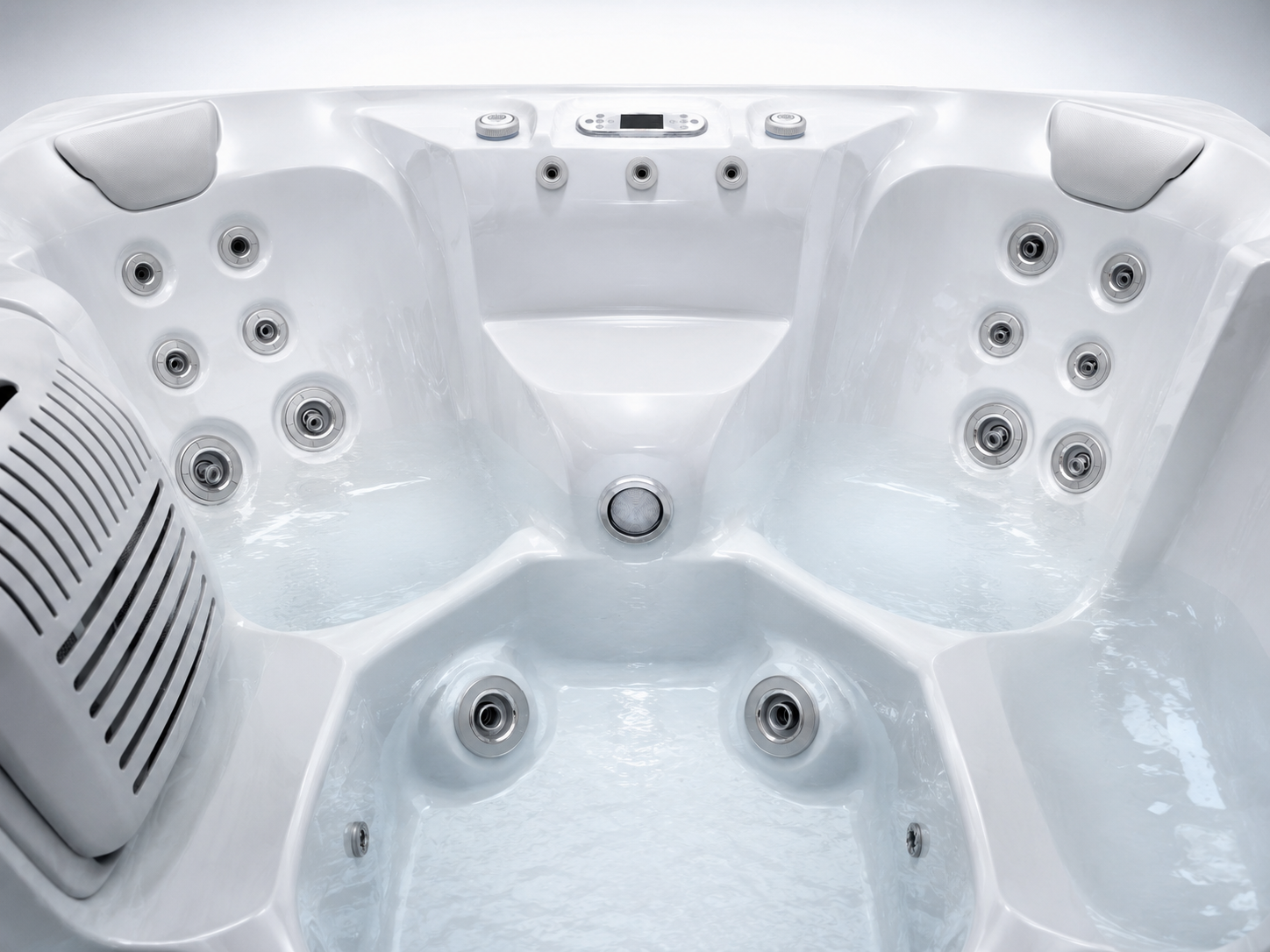
| Jet Placement | More jets ≠ better massage. Targeted neck, shoulder, lumbar, calf, and foot zones matter far more than raw count. | AquaBliss HydroHeal — arc-design jets for head-to-toe therapy |
| Circulation Pump | A low-flow always-on pump dramatically improves filtration and heating efficiency. Missing from most budget models. | PureFlow AquaGuard System — dedicated circulation pump included |
| Filtration System | Dual filtration keeps water cleaner longer and reduces chemical demand. Ozone systems cut chlorine reliance. | 2×50sf dual filtration + built-in Ozone System |
| Ergonomic Seating | Seats engineered to complement your body''''''''''''''''s contours make jet placement effective — generic seats waste pressure. | ErgoSoft Touch Therapy — soft tissue massage + body-contoured seats |
| Smart Controls / WiFi | Pre-heating from your phone before you arrive home is a convenience you''''''''''''''''ll use every single day. | Touchscreen panel + SmartConnect WiFi (optional) |
| Insulated Cover | A quality cover accounts for 30–40% of total heat retention. This is not optional equipment. | HeatArmor 3D Cover — high-density foam, climate-customizable |
5. Understanding Insulation and Monthly Energy Costs
This is the section most buyers skip — and it''''''''''''''''s the one that most directly affects your wallet for the next 15 years. Insulation quality is the single biggest variable in a hot tub''''''''''''''''s operating cost.
Monthly Energy Cost Comparison (Average Climate)
Bellagio Thermo-Retain System — ~$28/month
Industry Average (Standard Insulation) — ~$55/month
Poor Insulation (Budget Models) — ~$120–$140/month
Based on Bellagio internal thermal efficiency testing. Results vary by climate, usage frequency, and local electricity rates.
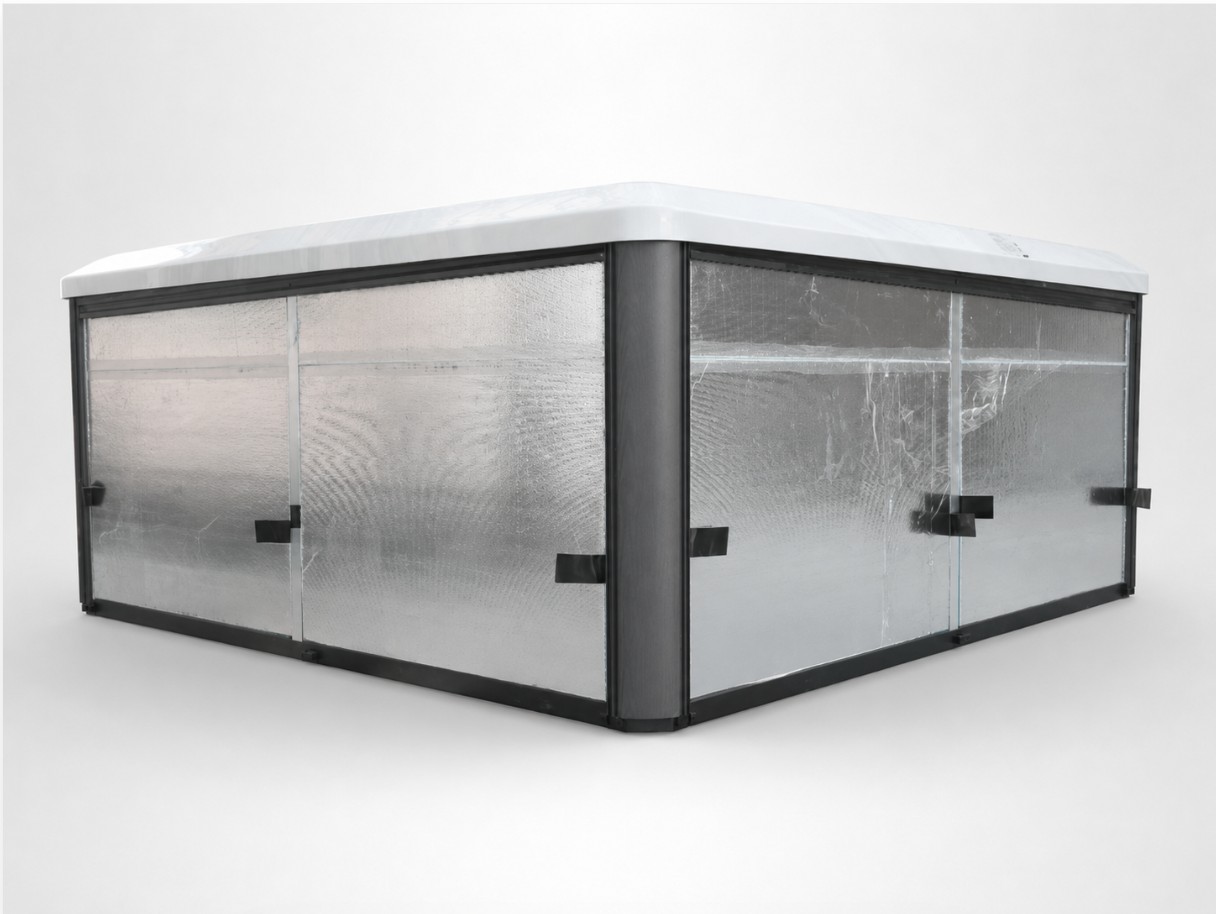
The Bellagio Thermo-Retain System — Three Layers That Work Together
1. AluGuard Welded Aluminum Frame
The structural skeleton of every Bellagio spa is welded aluminum rather than wood. Aluminum delivers 10× greater durability, never rots, and critically does not absorb and lose heat the way wood does. This is a material science difference that compounds over years.
2. ThermoLock Tri-Layered Aluminum Side Panel
The cabinet walls use a three-layer aluminum structure with heat resistance rated to 230°F. Compared to conventional PVC side panels, this dramatically reduces heat loss through the walls — the largest source of thermal escape in most spas on the market.
3. Enviro-Seal Base
A sandwich-construction base panel minimizes heat loss through the floor — an area most manufacturers ignore entirely. In cold climates especially, this accounts for significant energy waste.
The combined result: Bellagio''''''''''''''''s testing shows the Thermo-Retain System saves more than 25% in running costs vs. conventional hot tubs. Over a 10-year ownership period, that''''''''''''''''s a difference of thousands of dollars.
Cold Climate Option
For buyers in Canada, the northern US, or other cold regions, Bellagio offers the Heat Bank Insulation upgrade — additional side insulation for extreme cold conditions. Recommended if your winters regularly drop below 0°F / -18°C.
6. Shell and Build Quality: What to Actually Look For
Crystal Cell Acrylic — Why Shell Material Matters
Bellagio uses Crystal Cell Acrylic — a premium shell material with three properties that matter for long-term ownership:
- Transparency and hardness comparable to crystal — the surface retains its gloss and depth over many years of use
- No scratches or discoloration during polishing — routine cleaning keeps it looking brand-new
- More color and thickness options — enabling genuine customization to match your outdoor aesthetic
By contrast, lower-grade rotomolded plastic shells oxidize, fade, and develop micro-cracks over time. These aren''''''''''''''''t only cosmetic issues — shell cracks create sanitization challenges and structural risks.
Snap-Lock Cabinet Design — Small Detail, Big Difference
Bellagio''''''''''''''''s Snap-Lock cabinet panels can be removed by any homeowner without tools. This means access for routine maintenance, filter changes, and component inspection is a 30-second job rather than a technician visit. Over years of ownership, this difference is genuinely valuable — in both money and time.
Featured Model · Bellagio Spas
The Superior — Blueprint for the Ideal 6-Person Spa
Custom molded neck jets, a tailor-fit lounger, Adirondack seating, and full head-to-toe jetting — the Superior demonstrates everything this guide describes, in practice.
|
74
Total Jets
|
6
People
|
322
Gallons
|
91×91"
Footprint
|
3
Pumps
|
- - PureFlow AquaGuard System — dedicated circulation pump for constant filtration
- - AquaBliss HydroHeal System — arc-designed jets for targeted therapeutic massage
- - ErgoSoft Touch Therapy — ergonomic seats with soft tissue massage integration
- - HeatArmor 3D Cover — high-density insulated cover, climate-customizable
- - Ozone Sanitation System — reduces chemical demand, cleaner water naturally
- - SmartConnect WiFi — pre-heat from your phone before you arrive home
- - Lumina Mood Lighting + optional SonicWave Audio system
7. Installation: What You Need to Prepare
Installation is where many first-time buyers get surprised. The good news: if you plan ahead, it''''''''''''''''s completely straightforward. Here are the five things to sort out before delivery day.
Your hot tub needs a flat, level surface that can support 6,000–7,000 lbs (spa filled + bathers). Options: reinforced concrete pad (best), interlocking pavers on compacted base (good), or a purpose-built deck with adequate structural support.
Full-size hot tubs require a dedicated 240V/50A circuit with a GFCI breaker, typically within 5 feet of the spa. This is not DIY — hire a licensed electrician. Budget $500–$1,500. Bellagio''''''''''''''''s Pre-Installation Pump Connection makes hookup plug-and-play straightforward.
How will the spa get to its final location? Measure all gates, side yards, and doorways. Minimum 36" clear width is standard. If there''''''''''''''''s no clear path, a crane lift may be needed — typically $400–$800 extra.
You''''''''''''''''ll drain and refill every 3–4 months. Know where your 300+ gallons will go — lawn drainage, a floor drain, or via sump pump to a suitable outlet. Non-negotiable planning item.
You''''''''''''''''ll use your spa more if it feels like a private retreat. A privacy screen, pergola, or strategic plantings make a meaningful difference in enjoyment — and afternoon shade in summer reduces your heating load.
8. Warranty and After-Sales Support
A hot tub is a 15–20 year relationship with a manufacturer. Warranty terms and service support matter enormously and are frequently underestimated during the buying decision.
| Component | Entry-Level Brand | Quality Brand (Bellagio) |
|---|---|---|
| Shell Structure | 1–3 years | 5–10 years |
| Shell Surface | 1 year | 3–5 years |
| Cabinet / Frame | 1–2 years | 5 years (aluminum = lifetime durability) |
| Pumps & Equipment | 1 year | 2–5 years |
| Controls & Electronics | 1 year | 2 years |
Red Flag to Watch For
Ask your dealer directly: "If the heating element fails in year 4, who services it, how long does it take, and what does it cost?" The answer tells you a great deal about a brand''''''''''''''''s long-term commitment to its customers.
Use Bellagio''''''''''''''''s dealer locator to find a showroom near you and do a wet test before you commit. Nothing replaces actually sitting in the spa you''''''''''''''''re considering buying.
Find a Dealer Near You →9. Your Complete Pre-Purchase Checklist
Before you sign anything or hand over a deposit, work through this checklist. It takes 15 minutes and will save you from the most common first-time buyer regrets.
| ? | I know my total budget including purchase, installation, electrical, and first-year running costs |
| ? | I''''''''''''''''ve measured my site and confirmed the spa dimensions fit with adequate service clearance |
| ? | I know whether my site needs a new concrete pad, deck reinforcement, or is ready as-is |
| ? | I''''''''''''''''ve confirmed access route dimensions — gates, side yards, any narrow passages |
| ? | I understand the electrical requirements and have a licensed electrician arranged |
| ? | I''''''''''''''''ve sat in (wet-tested) the exact model I''''''''''''''''m buying — not just a display unit |
| ? | I''''''''''''''''ve verified the insulation system and asked for real energy cost data |
| ? | I''''''''''''''''ve confirmed the shell material — premium acrylic, not rotomolded plastic |
| ? | I''''''''''''''''ve read the warranty terms in full and understand exactly what is and isn''''''''''''''''t covered |
| ? | I''''''''''''''''ve confirmed parts availability and local service support for this brand |
| ? | I know my water treatment plan and the monthly chemical cost |
| ? | I''''''''''''''''ve confirmed delivery timeline and know exactly what happens on installation day |
Frequently Asked Questions
These are the questions first-time buyers ask most often — answered directly.
From compact 2-person spas to the fully-featured 6-person Superior — browse all models, customize your shell and cabinet color, and find a dealer for your wet test.
Browse All Spas → Find a Dealer →