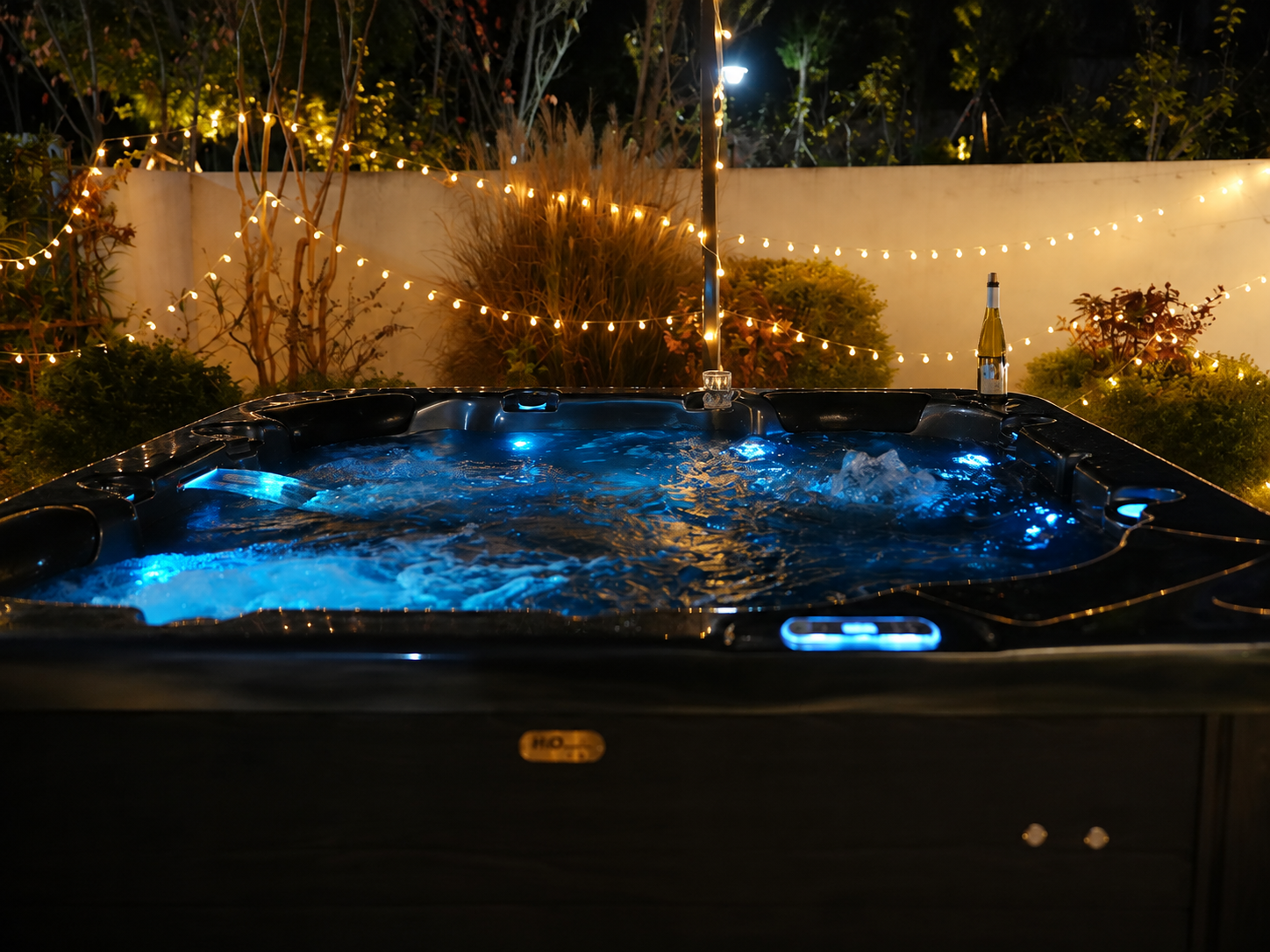
Hot Tub vs. Sauna: Which Is Better for Home Wellness?
Compare immersion, massage, dry heat, shared use, space, upkeep, and safety before choosing your home wellness setup.
Quick Answer
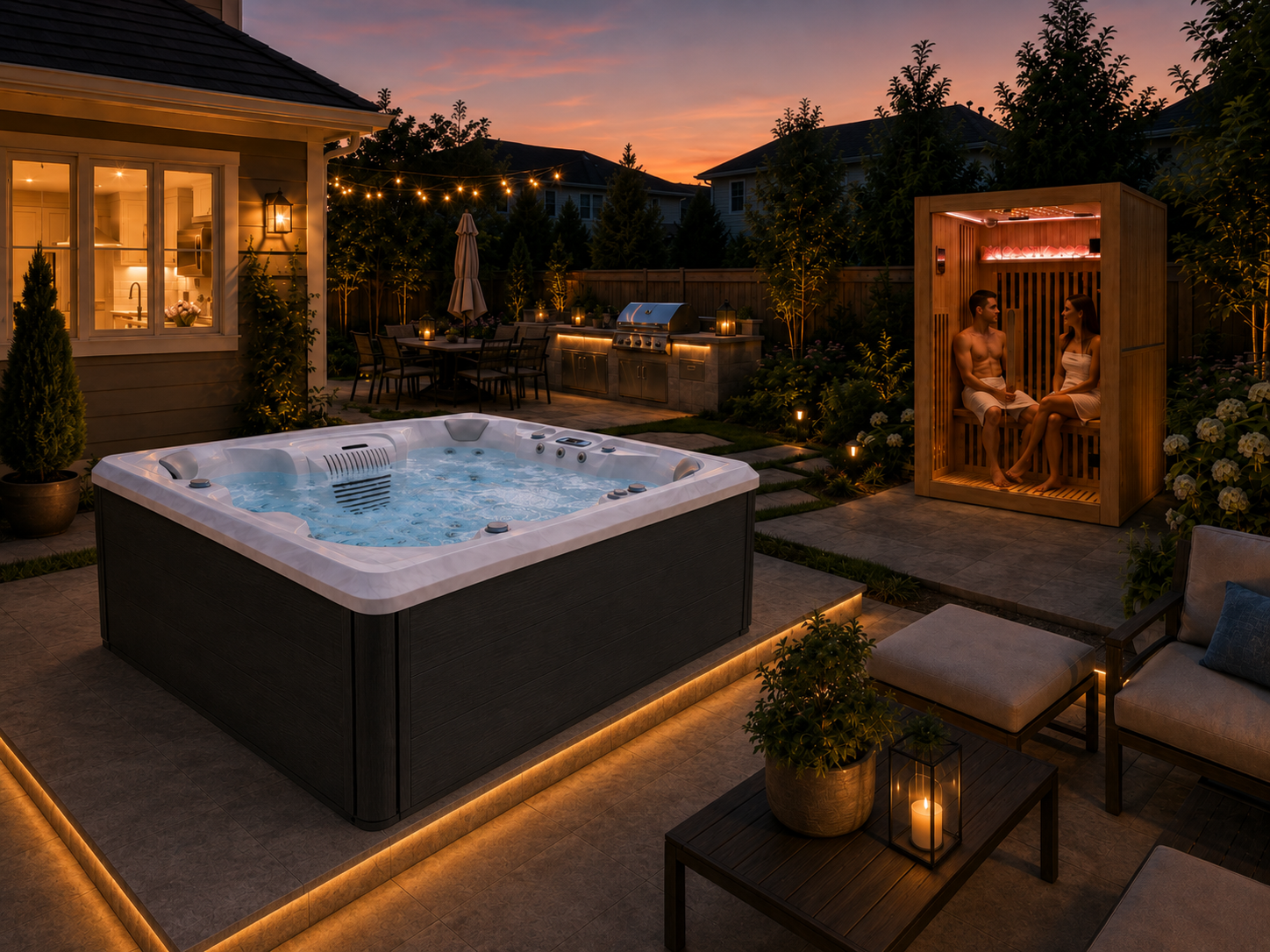
Choose a hot tub if you want warm-water immersion, buoyancy, jet massage, and an experience that is easy to share. Choose a sauna if you prefer a quiet heated room and a dry or infrared heat routine without entering water. Neither is universally healthier. The better fit depends on the experience you will use, the available site, upkeep, and personal medical guidance.
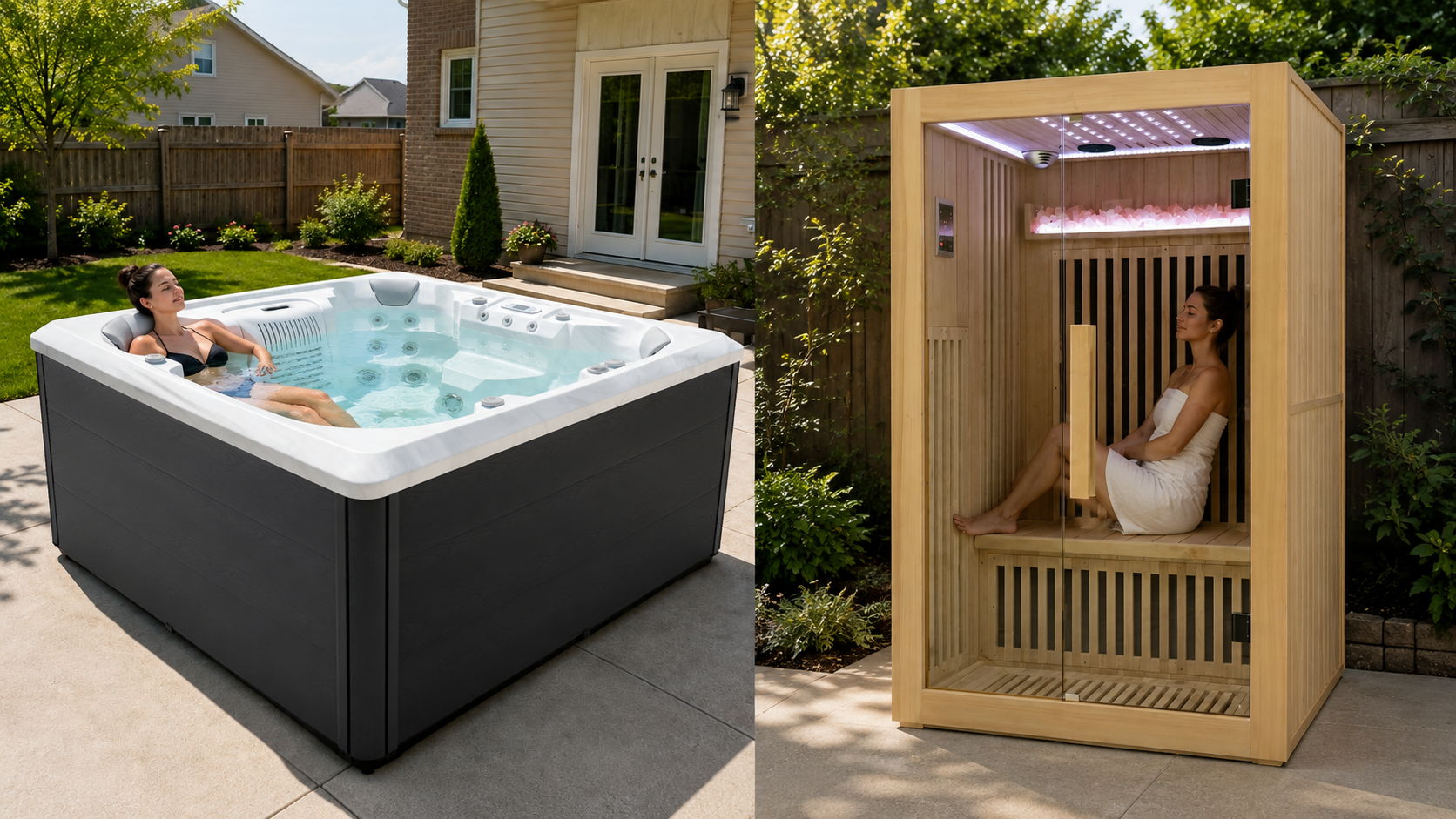
Hot Tub
Warm water, buoyancy, jets, and an open shared experience
Sauna
Enclosed heat, dry or infrared format, and a quiet routine
| Decision Factor | Hot Tub | Sauna |
|---|---|---|
| Heat format | Warm-water immersion | Heated air or infrared |
| Distinctive experience | Buoyancy and model-specific jets | Quiet enclosed heat and perspiration |
| Shared use | Often social and open | Often quieter and more contained |
| Routine care | Water testing, treatment, filters, surfaces | Cleaning, drying, ventilation, heater and surfaces |
| Best fit | Massage, immersion, shared outdoor time | Dry or infrared heat, quieter routine |
What Is the Main Difference Between a Hot Tub and a Sauna?
A hot tub transfers heat through warm water while supporting the body with buoyancy; a sauna exposes the body to heated air or infrared energy in an enclosed room. That difference shapes comfort, installation, use, and maintenance.
Hot tubs add water circulation, filtration, sanitation, seating, and jets. Saunas avoid a shared water system but require a suitable heated enclosure, ventilation, electrical planning, and care for interior surfaces.
Which Better Supports Massage and Low-Impact Relaxation?
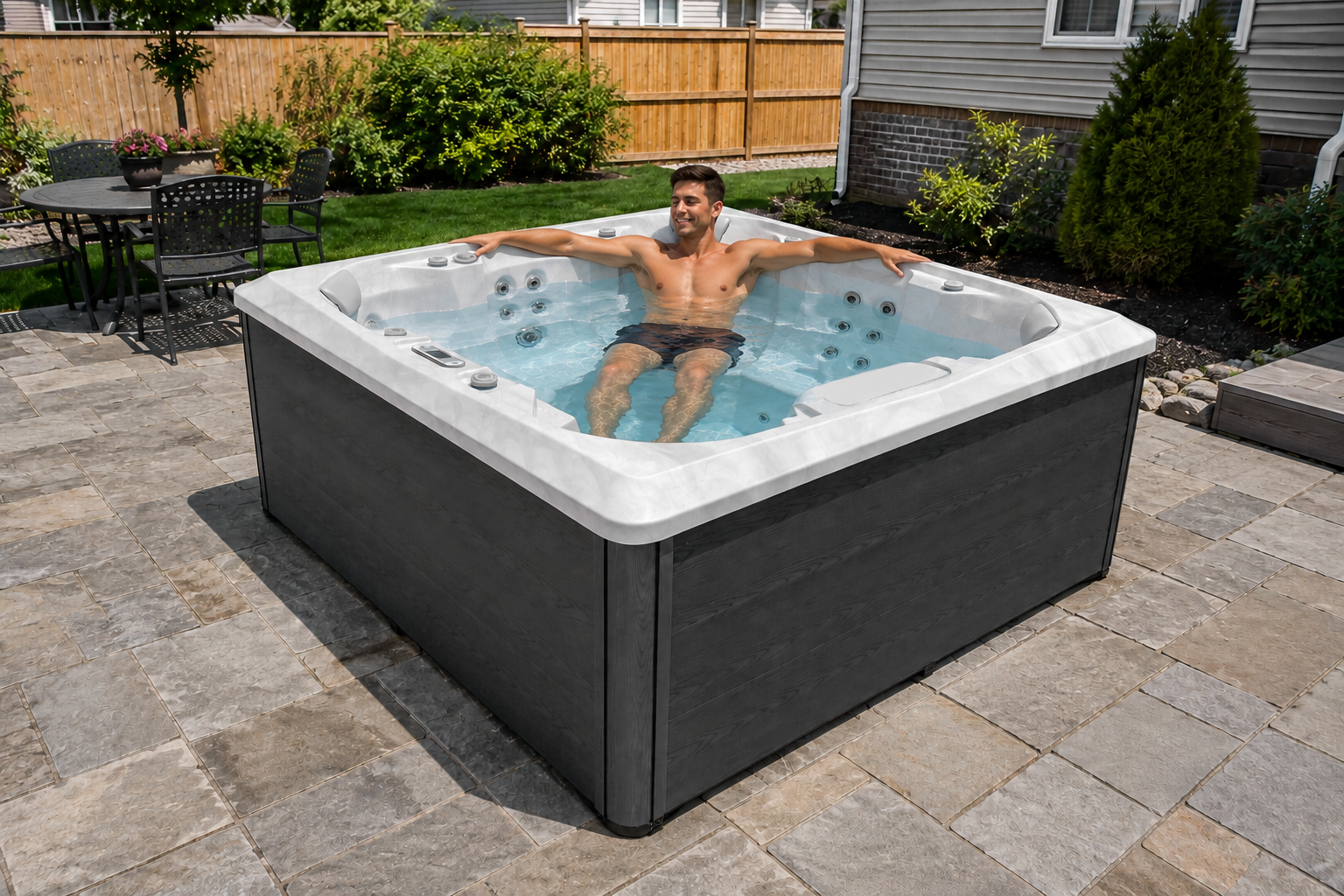
A hot tub is the clearer choice when massage and supported immersion are the main goals. Water supports part of the body''s weight, while model-specific jets can direct water toward different seating positions.
Bellagio hot tubs combine molded seating with hydromassage layouts that vary by model. This is an experience feature, not a promise to treat pain or a medical condition. Dry-test the seats and compare the exact jet layout before ordering.
Which Better Fits Quiet Heat and Perspiration?
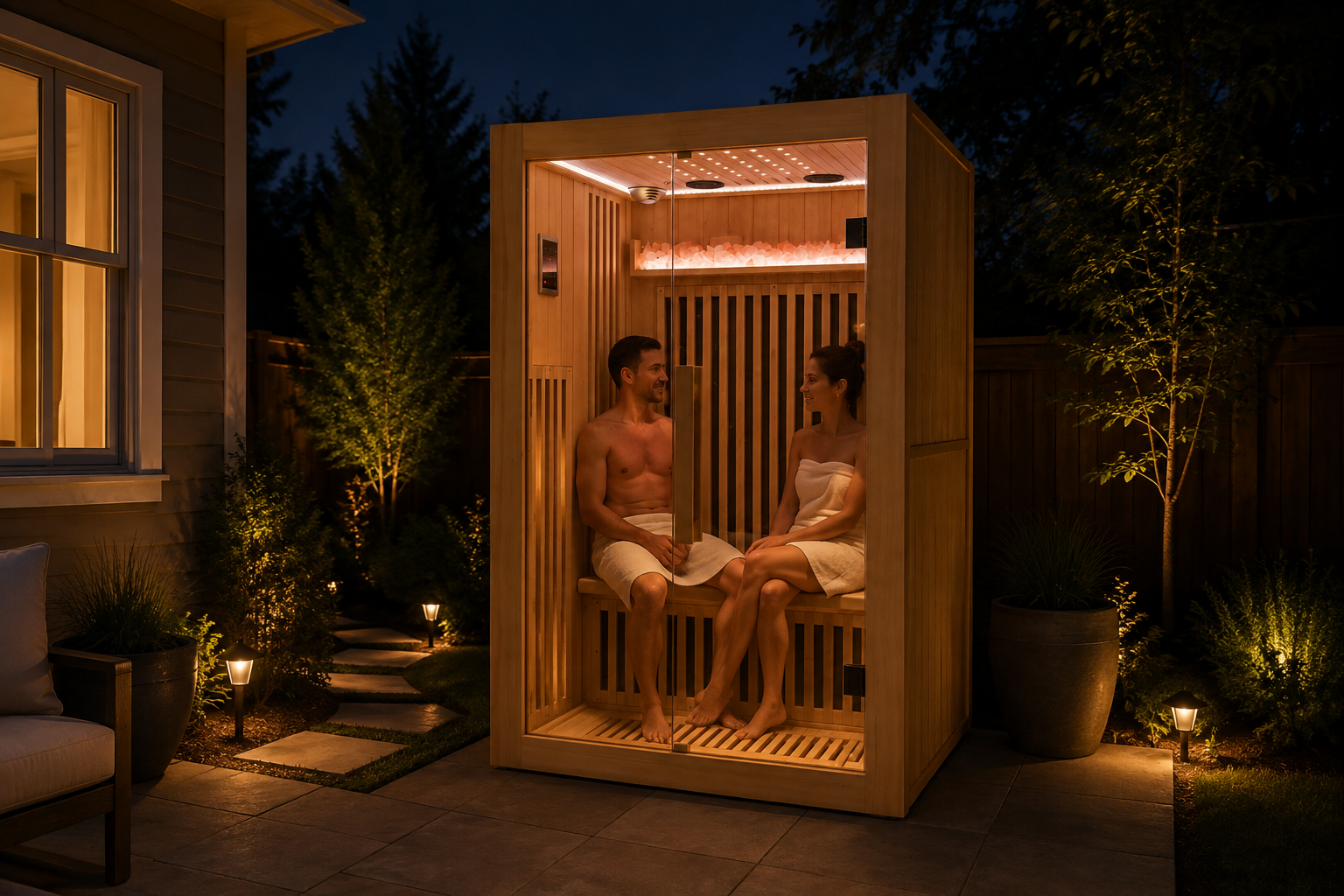
A sauna better fits buyers who want a quiet heat session and a noticeable perspiration response without sitting in water. Far-infrared and traditional saunas create different temperature and heat-transfer experiences, so they should not be treated as interchangeable.
Bellagio Solaire is listed as a four-person, four-seat outdoor sauna with far-infrared heating and a starry-sky ceiling light. Its official dimensions are 71 by 47 by 83 inches. Product availability and installation requirements should be confirmed for the market and site.
Which Is Better for Couples, Families, or Solo Use?
Hot tubs usually offer the more social format because people can sit in different seats while sharing the same open-air setting. A sauna may suit a quieter personal or small-group routine, depending on its capacity and seating arrangement.
Consider who will use the product at the same time, whether conversation or solitude matters, and how often users have different heat preferences. Capacity labels do not replace a comfort test or a check of the real seating layout.
How Do Space and Installation Requirements Differ?
Both products need a planned site, but their demands are different. A hot tub needs a stable support surface, drainage, water-care access, electrical service, and room to open the cover; an outdoor sauna needs a suitable foundation, electrical and ventilation planning, door clearance, and weather-aware placement.
Compare the complete installed footprint rather than the cabinet alone. Include access routes, service panels, covers or doors, setbacks, overhead structures, drainage, permits, and the route used to deliver the product.
How Do Cleaning and Routine Care Compare?
A hot tub generally requires more frequent water testing and treatment because it stores heated, recirculating water. A sauna avoids spa-water chemistry but still needs cleaning, drying, ventilation checks, and care of benches, floors, heaters, controls, and exterior materials.
The easier routine is the one you will perform consistently. Ask for model-specific schedules, replacement parts, approved cleaners, water-change guidance, and service access before comparing convenience.
What Can Health Research Responsibly Tell You?
Both hot-water immersion and sauna use create heat exposure and short-term physiological responses, but the evidence does not establish one as universally healthier. Research varies by modality, temperature, duration, population, and outcome.
Reviews report possible cardiovascular and other associations, yet randomized evidence remains mixed and heterogeneous. Use these products for an experience you value, not as a substitute for exercise, medical treatment, or professional care. Perspiration is part of temperature regulation, not proof of detoxification or fat loss.
Which Heat-Safety Rules Apply to Both?
For either product, avoid excessive heat, alcohol, dehydration, and staying after dizziness, nausea, weakness, confusion, or unusual discomfort begins. Leave immediately if symptoms appear and cool down safely.
CPSC advises that hot-tub water should not exceed 104°F (40°C). Sauna limits depend on the product instructions and the user. People who are pregnant or have cardiovascular, blood-pressure, medication, heat-tolerance, or other relevant health concerns should seek individualized medical advice before use.
How Should You Make the Final Choice?
Choose the product whose core experience you expect to use most often, then verify the site and routine. Warm-water massage and shared outdoor time point toward a hot tub; quiet dry or infrared heat points toward a sauna.
Score each option for desired sensation, number of users, available footprint, installation work, weekly care, privacy, climate, and budget. If both remain attractive, prioritize the one that solves the primary use case now and design the site so a future wellness zone remains possible.
Frequently Asked Questions
Is a hot tub healthier than a sauna?
Neither is universally healthier. They create different heat experiences, and health findings vary by protocol and user. Choose by use case and medical suitability.
Which is better after exercise?
That depends on whether you prefer supported warm-water immersion and jets or quiet dry or infrared heat. Neither replaces recovery basics or clinical advice.
Does sauna sweating detox the body?
Sweating primarily helps regulate body temperature. It should not be presented as proof of detoxification or meaningful fat loss.
Which takes more maintenance?
A hot tub usually requires more frequent water chemistry and filter care. A sauna needs cleaning, drying, ventilation, heater, and surface maintenance.
Can I install both?
Possibly, when space, utilities, drainage, ventilation, access, permits, and budget allow. Plan the combined site before purchasing either product.
Compare Your Home Wellness Options
Compare immersion, massage, dry heat, shared use, space, upkeep, and safety before choosing your home wellness setup.
Explore Bellagio Products